

Line Stop Heads & Sealing Elements
Critical Components for Pipeline Isolation Line stop heads and sealing elements are essential components used in live pipeline isolation during maintenance, tie-ins, or emergency repairs. Together, they enable safe, controlled blockage of flow in pressurized systems without requiring shutdown.


The sealing element and line stop head work together as a coordinated system to isolate flow in a live pipeline without depressurization. Here’s how they function in tandem:
📋 Step-by-Step Interaction
- Deployment Through a Hot Tap
- A hot tap is performed to create an access point on the pressurized pipeline.
- The line stop head is inserted through a valve and fitting using a mechanical or hydraulic actuator.
- Positioning the Line Stop Head
- Once inside the pipeline, the line stop head is rotated or extended into position.
- It acts as the primary mechanical barrier, designed to match the pipe’s internal diameter.
- Engaging the Sealing Element
- The sealing element, typically made of elastomeric material (e.g., Viton or Nitrile), is integrated into or mounted around the line stop head.
- It expands or compresses to form a tight seal against the pipe wall, preventing fluid from bypassing the plugging head.
- Maintaining Isolation
- With the seal engaged, the system can withstand internal pressure and temperature, allowing crews to safely work downstream.
- The sealing element ensures leak-free isolation, even under dynamic flow conditions.
Line Stop Heads and Sealing Elements and Specifications
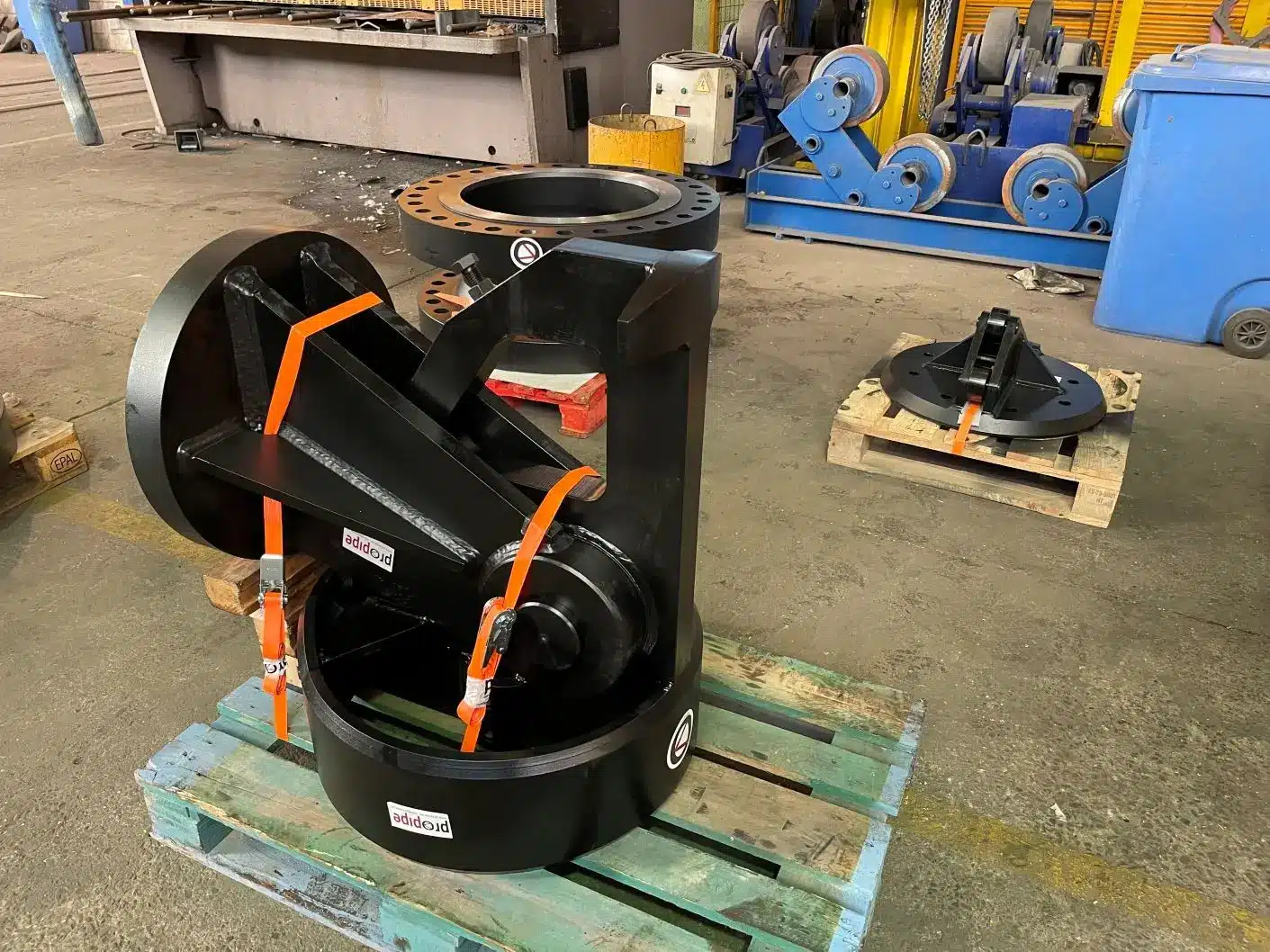
Propipe Line Stop Head – Precision Plugging for Live Pipeline Isolation
The Propipe Line Stop Head is a heavy-duty mechanical component engineered to temporarily block flow in pressurized pipelines during live maintenance, tie-ins, or rerouting operations. Designed for deployment through a hot tap fitting, it serves as the core isolating element in the line stop system—enabling safe, controlled intervention without shutting down the pipeline.
🛠️ How It Works
- Inserted into the pipeline via a Propipe Slim Valve and actuator system
- Rotates or pivots into position to engage the pipe interior
- Works in tandem with a pressure-rated sealing element to form a leak-tight barrier
- Withstands demanding conditions in oil, gas, water, and industrial fluid networks
📐 Technical Specifications
|
Parameter |
Specification |
|
Pipeline Sizes |
Internal diameters from 2″ to 56″ |
|
Design Pressure |
Up to 1480 PSI |
|
Reinforcement |
Engineered for high-pressure applications |
|
Compatibility |
ASME pressure classes 150# to 900# |
|
Materials |
Precision-machined steel with elastomeric seals (e.g., Viton, Nitrile) |
✅ Key Features
- Precision-machined for secure engagement and reliable sealing
- Compatible with hydraulic or mechanical actuators
- Supports large-diameter pipelines and custom configurations
- Ideal for emergency isolation, planned maintenance, and system modifications
- Available in multiple sizes and geometries to suit field conditions
📋 Why It Matters
- Enables live pipeline intervention without service interruption
- Minimizes downtime and operational risk
- Critical for safe, compliant pipeline modifications
- Built for durability, precision, and field-ready performance
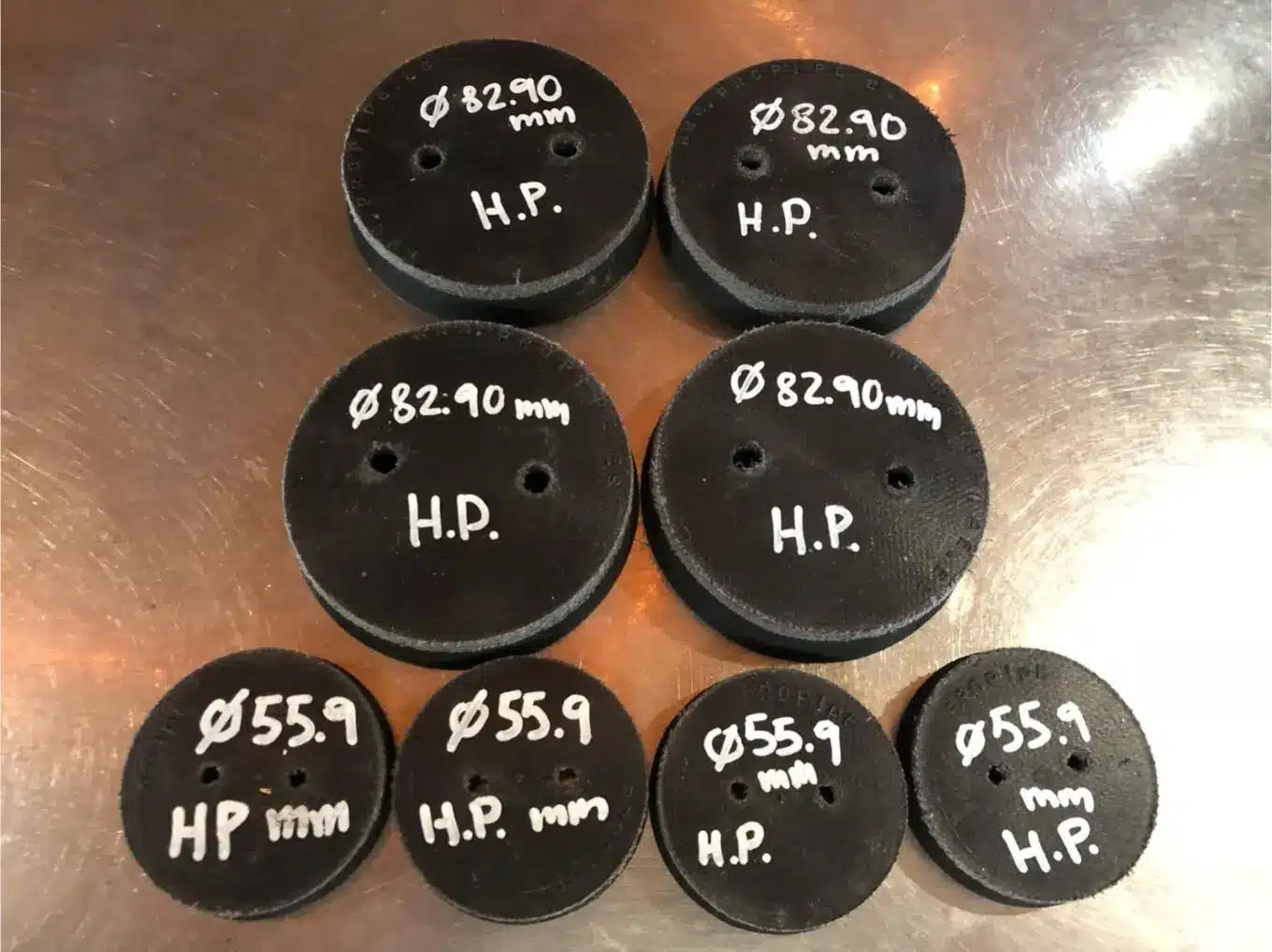
Propipe Sealing Elements – Engineered Sealing for High-Performance Line Stop Operations
Propipe Sealing Elements are precision-molded elastomeric components designed to deliver reliable, pressure-rated sealing during live pipeline isolation. Integrated into the line stop head assembly, these elements form a critical barrier that prevents fluid bypass and ensures pressure integrity during hot tap and line stop procedures—without requiring system shutdown.
🛠️ How It Works
Inserted into the pipeline as part of the line stop head assembly
Expands or compresses to conform to the pipe’s internal diameter
Forms a pressure-tight seal against the pipe wall to block flow
Performs under high-pressure, high-temperature, and chemically aggressive conditions across oil, gas, water, and industrial fluid systems
📐 Technical Specifications
Parameter | Specification |
Pipeline Sizes | Available from 4″ to 56″ internal diameters |
Maximum Working Pressure | Up to 70 bar (1015 PSI) |
Seal Materials | Nitrile, Teflon, Viton, or other polymers based on media and temp |
Configuration | Supplied drilled and machined to size, or drilled and unmachined per customer requirements |
Reinforcement | Engineered for high-pressure and high-temperature applications |
Compatibility | ASME pressure classes 150# to 900# |
✅ Key Features
Engineered for precision sealing in live pipeline environments
Material options tailored for chemical, thermal, and pressure demands
Supports custom geometries and mounting patterns
Field-proven in critical isolation scenarios across multiple industries
Manufactured to exacting tolerances for reliable performance
📋 Why It Matters
Prevents leakage during temporary pipeline isolation
Ensures pressure integrity while the line stop head blocks flow
Maintains a tight seal under varying temperatures and chemical conditions
Reduces operational risk and downtime during maintenance or emergency response
Supports compliance with industry standards and safety protocols
Ordering Note: When specifying Propipe Sealing Elements, please provide the pipe inside diameter, pipeline contents, and operating pressure to ensure proper material selection and fit.
Online Tools for Pipeline Safety & Standards


🔧 Custom Line Stop Heads & Sealing Elements for Demanding Field Conditions
Enerteq delivers precision-engineered line stop heads and sealing elements built to perform under the most challenging pipeline conditions. Whether you’re working with non-standard pipe geometries, elevated pressure classes, or legacy system interfaces, our engineering team configures each component to match your exact operational blueprint.
We offer tailored solutions for:
- Line stop head configurations matched to pipe diameter, wall thickness, and pressure rating
- Sealing element selection for extreme temperatures, corrosive media, and offshore or buried environments
- Bypass port integration to maintain continuous service during line stop operations
- Custom interfaces for elbows, blind flanges, reduced branch connections, and legacy fittings
Let’s talk specs. Share your project parameters, and we’ll deliver line stop solutions that align with your technical standards and safety culture.
