

🔧 Line Stop Intervention- For Pipeline Integrity
Line Stop Intervention is a high-stakes pipeline intervention techniques that demand precision-engineered equipment and rapid deployment.


Safe Access to Live Pressurized Lines
These operations often occur under pressure, where downtime is costly and safety is non‑negotiable. That’s why Enerteq Solutions provides flange tooling and pipeline integrity equipment engineered to meet the most exacting safety standards and delivered without delay. Our field‑proven solutions are backed by reliable manufacturing and rigorous validation, ensuring crews have confidence in every tool they deploy. From live line work to critical pipeline integrity maintenance, Enerteq guarantees that the right equipment arrives on time, ready to perform under demanding conditions. By combining precision engineering with responsive service, we help operators minimize risk, maintain compliance, and keep vital pipeline systems running smoothly.
🛠️ Understanding Line Stop Intervention in Pipeline Operations
The video below presents a step-by-step visual walkthrough of a pipeline intervention using a double bypass configuration, demonstrating the full process from initial setup to final restoration.

Propipe’s Animated Live Pipeline Intervention with Bypass Full System Demonstration
This video presents a detailed animation of a complete valve insertion operation, showcasing each stage from setup to isolation and bypass activation. The sequence highlights the use of four sandwich valves and fittings, integrated with plugging heads, actuators, and pilot drills to safely isolate flow in a pressurized pipeline.
Hot tapping is a specialized pipeline integrity technique that allows crews to safely connect to a live, pressurized pipeline without interrupting flow or venting product. Commonly deployed in natural gas transmission and distribution systems, live intervention operation supports valve installations, tie-ins, and emergency access while preserving operational continuity and minimizing environmental impact.
Unlike traditional shutdowns that require purging and isolating pipeline segments—often resulting in product loss, methane emissions, and service disruptions—hot tap operations enables modifications while the system remains active. This method is essential for expanding infrastructure, performing in-service repairs, and preparing for line stopping operations that temporarily block flow for controlled intervention.
Line stopping works in tandem with hot tapping to isolate pipeline sections without depressurization, enabling crews to perform complex modifications, reroutes, or replacements under safe, live conditions. This combination of techniques eliminates costly shutdowns while maintaining continuous product flow, a critical advantage for operators managing high‑pressure systems. At Enerteq Solutions, these services are not just procedures—they are part of a carefully engineered pipeline integrity strategy that prioritizes safety, efficiency, and compliance.
By integrating precision equipment with documented traceability and proven field protocols, Enerteq ensures every intervention meets exacting standards. Our operations blueprint is designed to support field teams with tools that are validated, reliable, and ready for deployment in demanding environments. Whether the project involves emergency isolation, planned rerouting, or long‑term infrastructure upgrades, Enerteq delivers confidence through a safety‑driven approach that protects assets, minimizes risk, and upholds the highest levels of pipe integrity across every job site.
To fully understand the value and execution of pipeline intervention, it’s critical to explore the specialized equipment involved, the range of field applications it supports, and the safety culture that governs its use.

A standard hot tap and line stop setup includes specialized components designed for safe, pressurized pipeline access and isolation:
- Drilling Machine: A mechanically driven telescoping boring bar equipped with a cutting tool and hole saw to remove the pipeline “coupon” while maintaining pressure containment.
- Branch Fitting: Can range from a welded nipple for small-diameter taps to a full-encirclement split-sleeve tee for larger or equal-sized branch connections.
- Hot Tap Valve: Typically, a ball or gate valve that allows safe coupon retrieval after cutting. Plug and butterfly valves are not suitable due to internal obstruction risks.
- Line Stop Housing: A pressure-rated enclosure that mates with the hot tap fitting and supports the deployment of a plugging head into the pipeline.
- Plugging Head Assembly: Used to isolate flow after the hot tap, enabling safe work downstream. Includes seals and locking mechanisms to withstand operating pressure.
- Bypass System (Optional): Allows temporary rerouting of product flow during line stop operations to maintain service continuity.
All components must be pressure-rated, material-compatible, and field-tested for the specific pipeline conditions. Proper alignment, seal integrity, and valve selection are critical to ensure safe execution and reliable isolation.
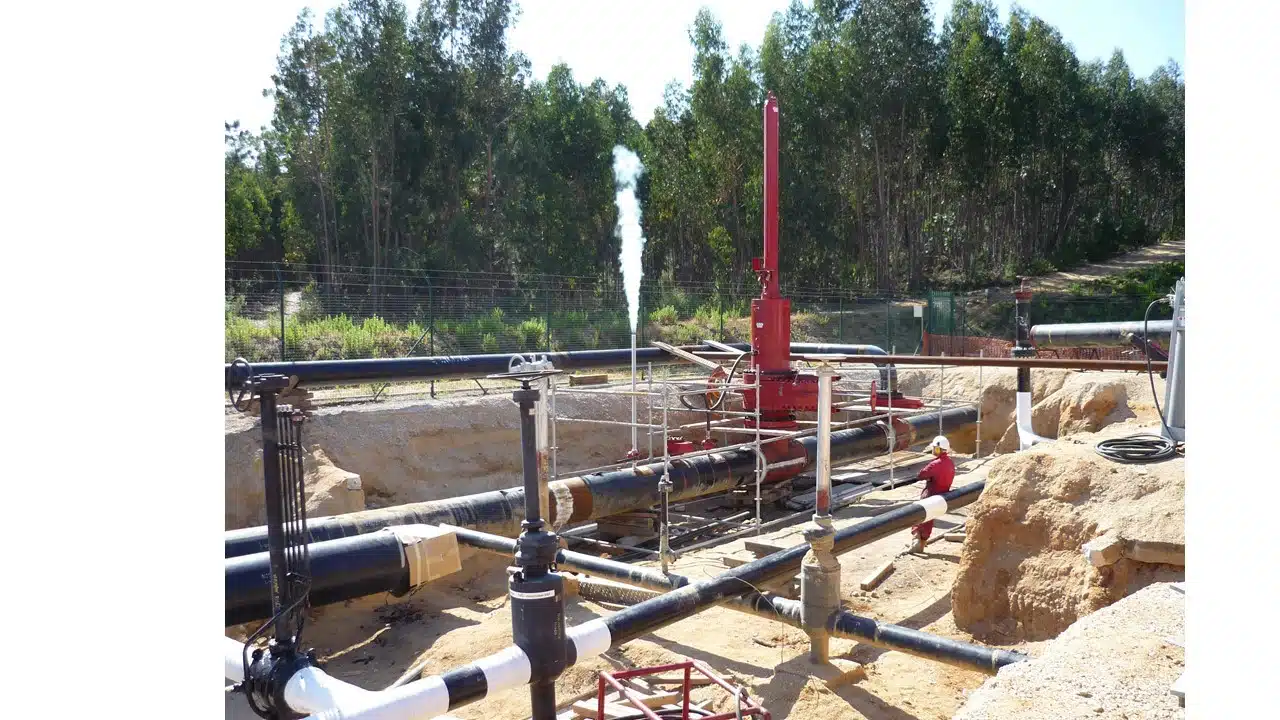
Hot tapping and line stopping are essential techniques for modifying live pipeline systems without interrupting flow. Together, they support a wide range of field operations:
• Installing new valves, bypasses, or isolation points
• Expanding or relocating pipeline segments under pressure
• Providing emergency access for inspection or repair
• Creating temporary or permanent tie-ins to existing infrastructure
• Preparing for line stopping operations by enabling safe isolation and flow control
These methods are especially valuable in urban, high-demand, or environmentally sensitive areas where shutdowns are costly, impractical, or pose regulatory challenges. By maintaining service continuity and minimizing emissions, hot tapping and line stopping offer a safer, more efficient alternative to traditional pipeline shutdowns
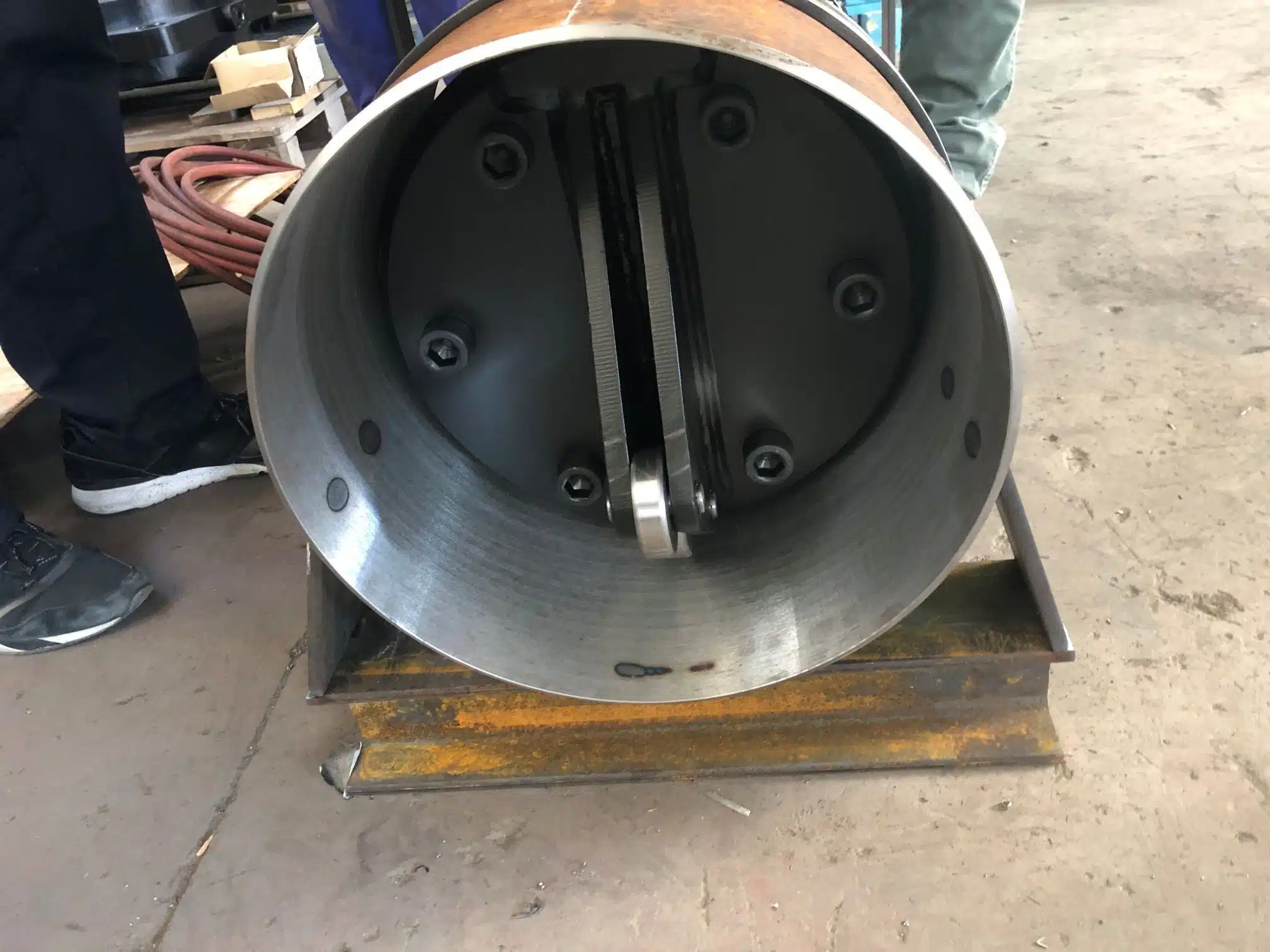
Safety is non-negotiable when performing hot tapping and line stopping on live pipeline systems. These operations involve working under pressure, requiring strict adherence to engineering standards and procedural discipline:
- Pressure Containment: All equipment—including drilling machines, valves, housings, and plugging heads—must be pressure-rated for the pipeline’s operating conditions.
- Valve Selection: Only ball or gate valves are suitable for hot tap operations, as they allow safe coupon retrieval. Plug and butterfly valves pose obstruction risks and are not recommended.
- Weld Integrity: Branch fittings and sleeves must be properly welded, inspected, and tested to ensure structural integrity and leak prevention.
- Plugging Head Deployment: In line stop applications, the plugging head must be securely seated and sealed to isolate flow without compromising containment.
- Operator Training: Crews must be trained in both hot tap and line stop procedures, including emergency shutdown protocols and contingency planning.
Enerteq prioritizes certified equipment, rigorous inspection standards, and field-proven procedures to ensure every intervention is executed safely and reliably even under pressure.
