Pipeline Intervention: Hot Tapping and Line Stop Equipment
Pipeline intervention is work on a live, pressurized pipeline without shutting it down. Hot tapping adds a connection while the line stays in service, and line stopping isolates a section so it can be repaired, modified or rerouted. Enerteq Solutions offers Propipe equipment for each stage: fittings, slim valves, hot tap machines, cutters, adapters and housings, actuators and line stop heads.
What Is Hot Tapping?
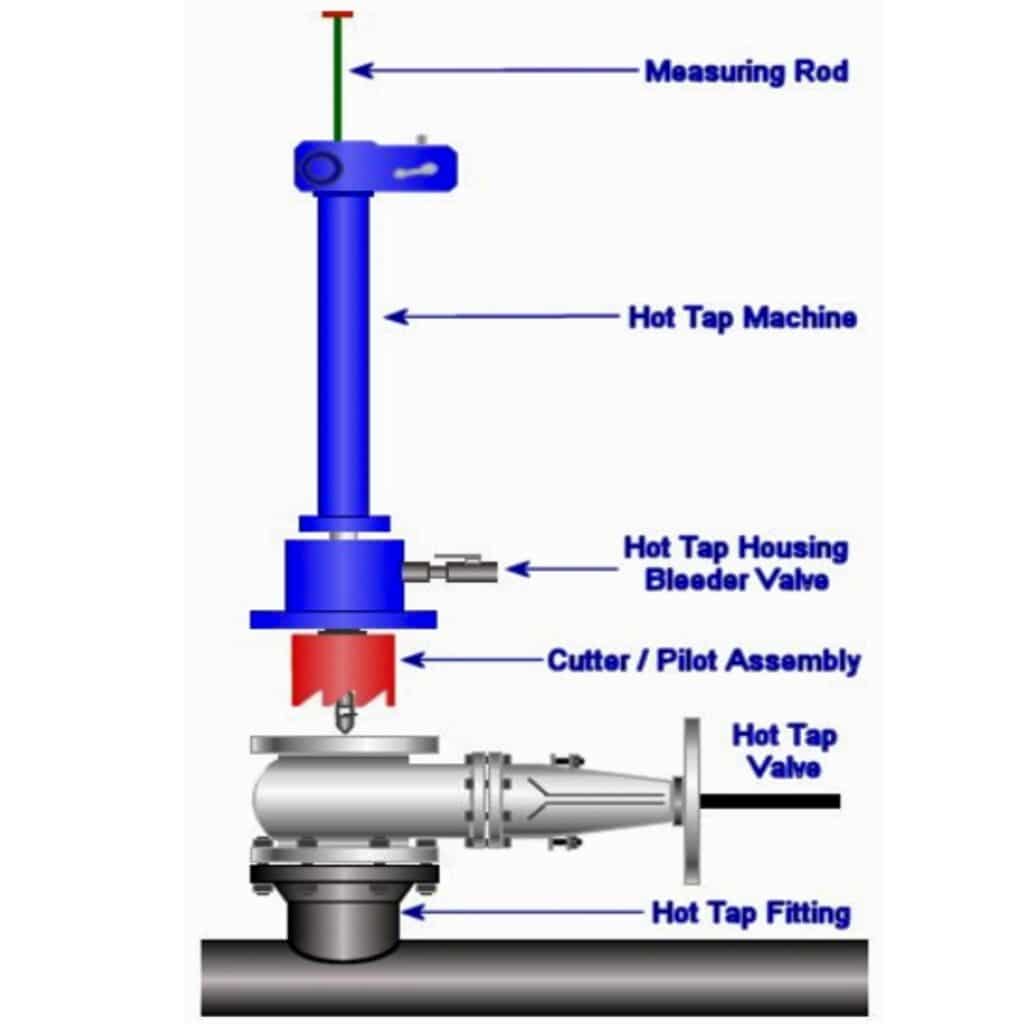
Hot tapping connects a new branch to an operating pipeline without interrupting flow. A fitting is attached to the line, a valve is mounted on the fitting, and a hot tap machine cuts through the pipe wall and removes the cut section (the coupon) through the valve. It is also called line tapping, pressure tapping, pressure cutting or side cutting. Taps can be vertical, horizontal or at any angle, as long as there is room for the fitting, valve and machine.
What Is Line Stopping?
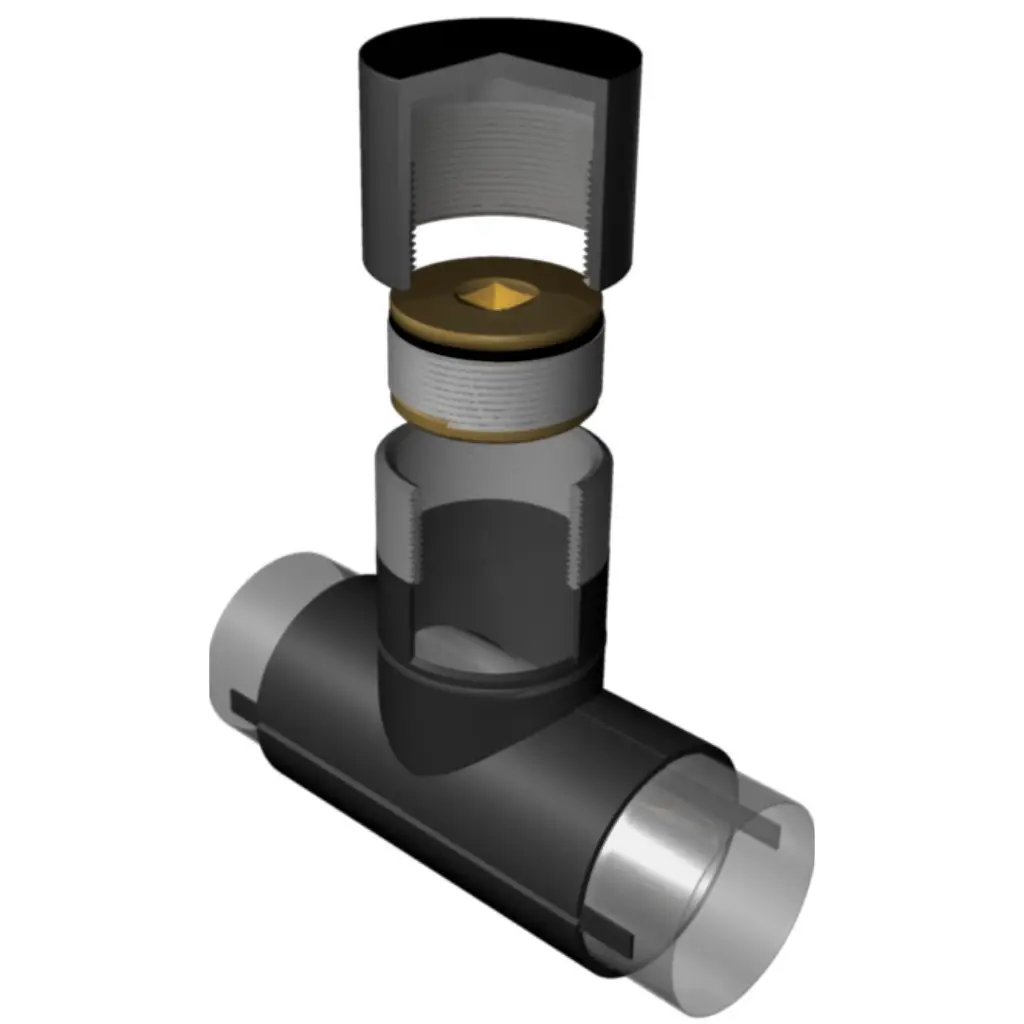
Line stopping starts with a hot tap. A line stop housing and actuator are mounted on the valve, and the actuator pushes a line stop head into the pipe to stop flow. A bypass can keep product moving around the isolated section during the work. At the end of the job, a completion plug is set in the fitting, the valve is removed and a blind flange is installed.
Why Not Shut the Line Down?
A shutdown connection means isolating and purging a pipeline segment, which causes product loss, methane emissions and possible service interruptions. According to the U.S. EPA, a shutdown connection on a steel line can require one to three or more days of pipeline outage. A hot tap makes the connection while the line stays in service.
Double Line Stop with Bypass: Animated Demonstration
A step-by-step animation of a double line stop with bypass, from initial setup to final restoration. The sequence shows slim valves (aka sandwich valves) and fittings with line stop heads, actuators and pilot drills isolating flow in a pressurized pipeline.
How a Hot Tap and Line Stop Are Performed
Hot Tap Sequence
- Weld (steel), bolt (cast iron) or bond (plastic) the fitting to the pipeline.
- Install the valve on the fitting. Use a new valve, studs and nuts, since they become part of the permanent facility.
- Pressure test the fitting and valve to check the fitting and welds before cutting.
- Mount the hot tap machine on the valve, open the valve and cut the coupon. The pilot drill centers the cutter and holds the coupon with U-wires.
- Retract the cutter and coupon through the valve, close the valve and remove the machine.
- Connect the branch line, purge it, open the valve and put the connection into service.
Line Stop Sequence
- Hot tap the line through a line stop fitting and valve.
- Mount the line stop housing, with the line stop head inside, and the actuator on the valve.
- Open the valve and use the actuator to push the head into the pipe. A pivot head swings in the direction of flow and forms the stop.
- For a double stop, set the downstream stop first so the heads close against the flow and are not forced abruptly into position by differential pressure.
- Route product through the bypass, if used, and complete the work on the isolated section.
- Equalize pressure, retract the heads (upstream first), set the completion plug in the fitting flange, remove the valve and install the blind flange.
Hot Tap Economics and Fitting Design
Hot Tap vs. Shutdown: EPA Findings
- Natural Gas STAR transmission and distribution partners report small hot taps almost daily and larger taps (over 12″, 305 mm) two or three times a year.
- In the EPA example, 320 hot taps a year save about 24,400 Mcf (691,000 m³) of natural gas, with a payback of 7 to 15 months depending on gas price.
- The EPA lists five steps to assess a hot tap: determine the condition of the existing line, calculate the cost of a shutdown connection, calculate the cost of the hot tap, evaluate the gas savings, and compare the options.
Fittings and Design Codes
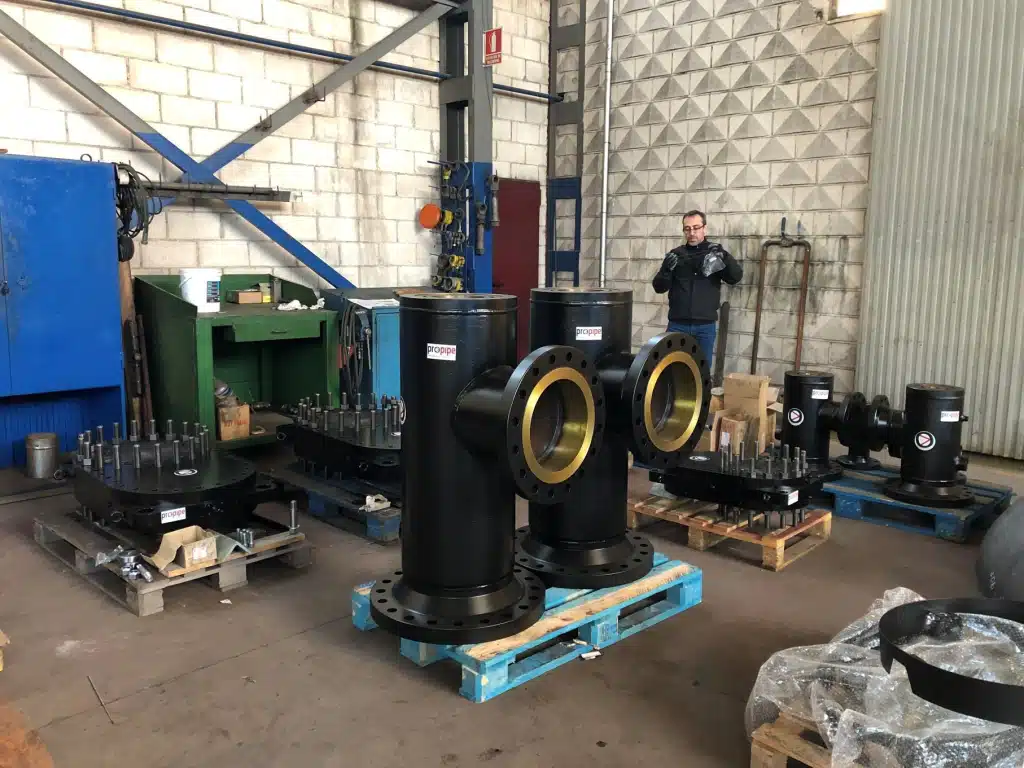
- Small connections can use a welded nipple. A full-encirclement split-sleeve tee gives extra support when the branch is the same size as the pipeline.
- For line stops, a full-encirclement fitting helps re-round thin-walled pipe and carries the horizontal and bending loads the line stop head places on the pipe.
- ASME B31.8 shows reinforcement options for branch connections, including saddles, sleeves, saddle-and-sleeve combinations and full-encirclement tees.
- Fittings are designed to the piping code for the service, such as ASME B31.1, B31.3, B31.4 or B31.8.
- Do not weld a bead inside the nozzle where the cut will be made (backwelding). The harder weld metal can destroy the cutter.
Pipeline Intervention Equipment
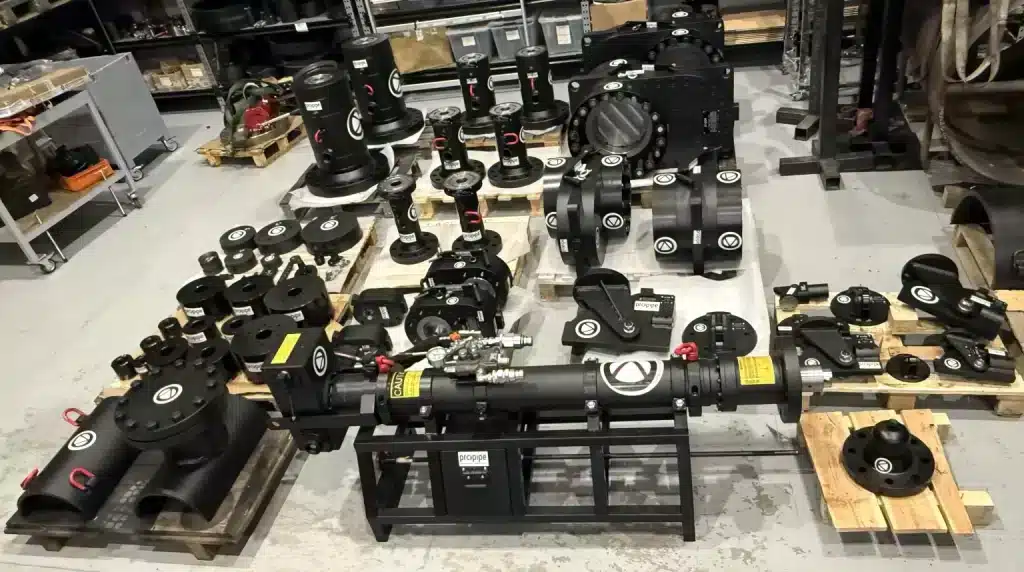
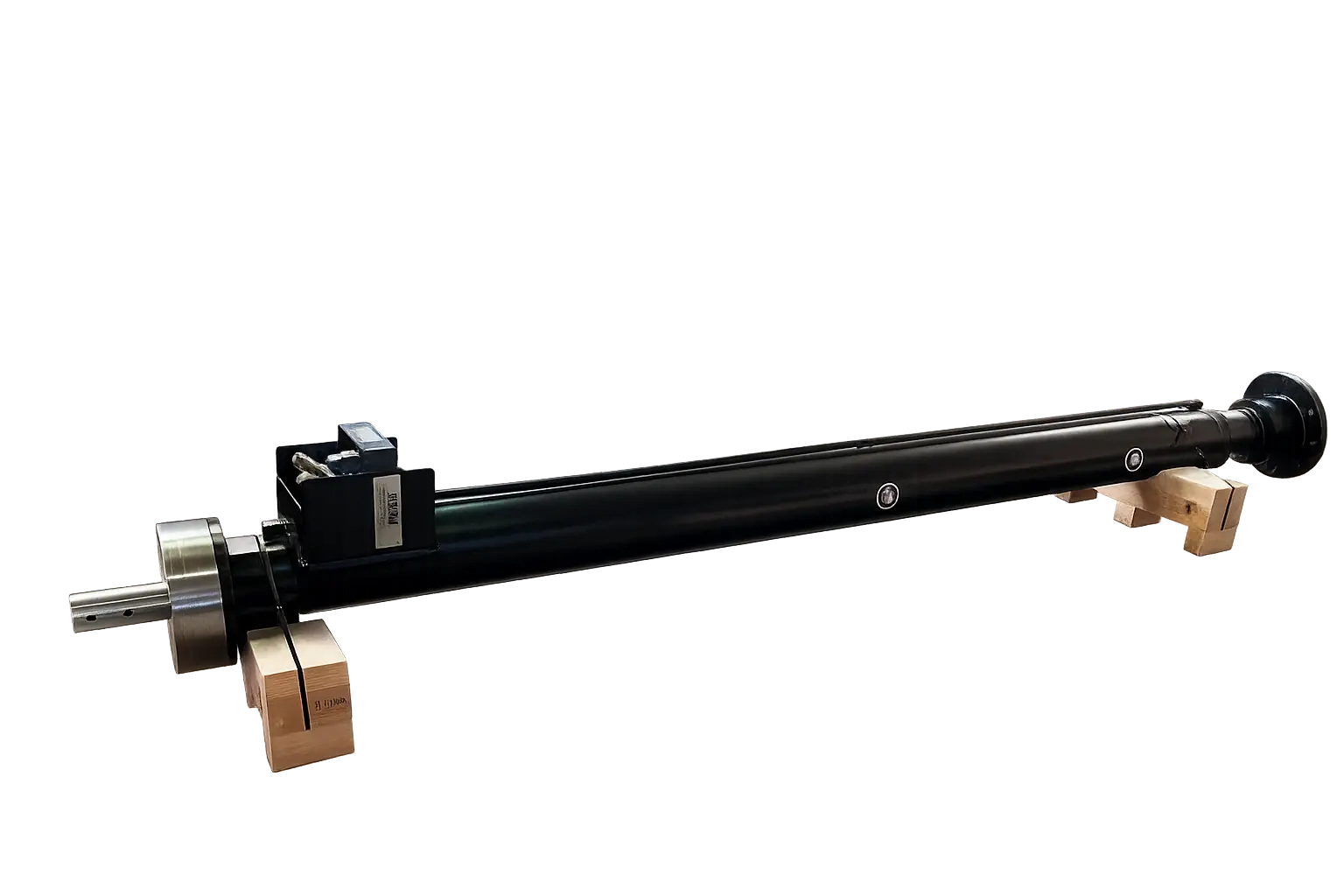
A hot tap uses three core components: a fitting, a valve and a hot tap machine. A line stop adds a line stop housing, an actuator and a line stop head. Open each item for an overview, the product page and a quote request.
Line Stop and Hot Tap Fittings
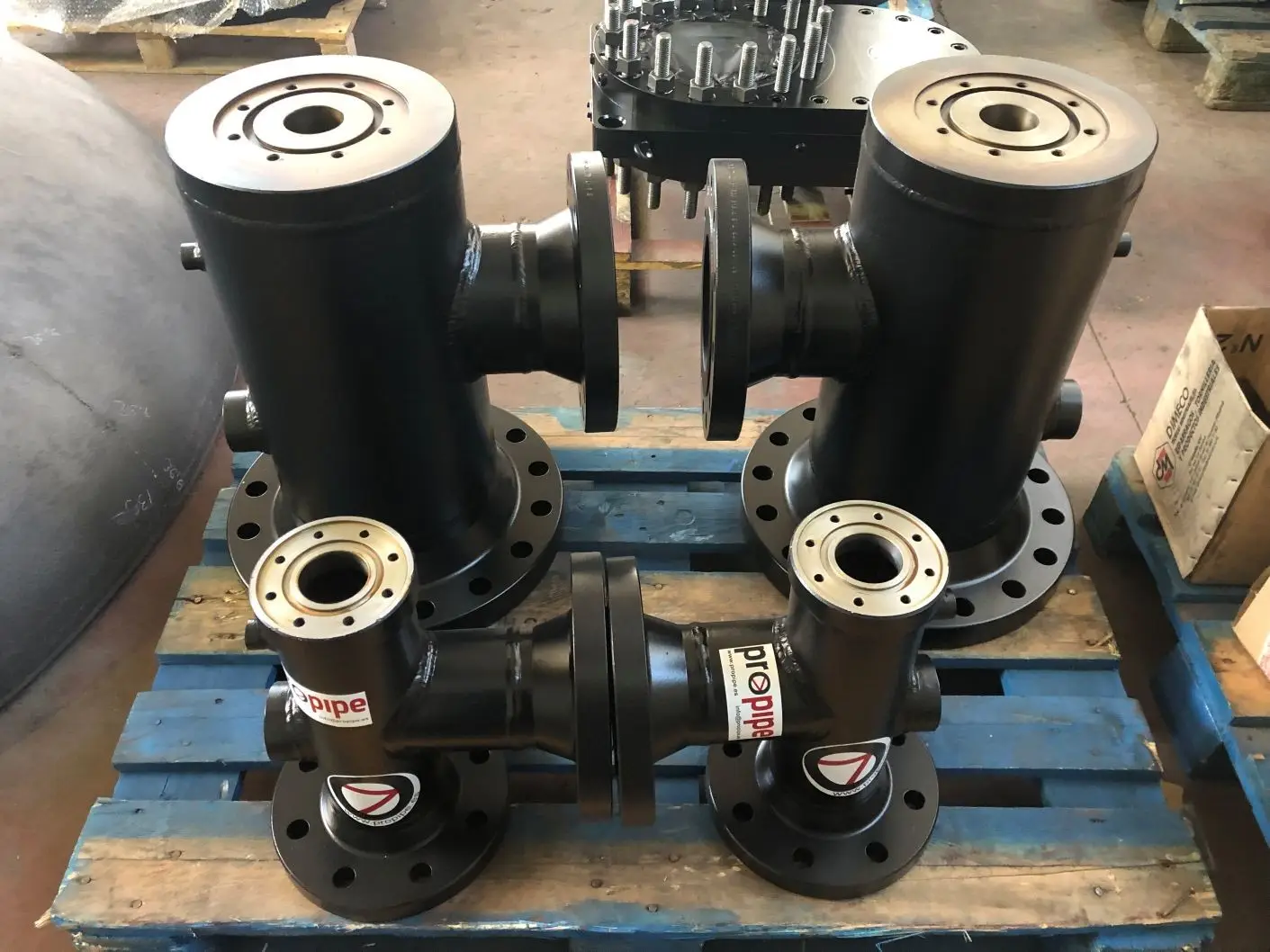
Threaded, SStop and LockSure line stop fittings, three-way tees, spherical and split tees, and flanges.
| Sizes | 1″ to 56″ (25 to 1,422 mm) |
|---|
Slim Valves
Slim valves, also called sandwich valves or slim-slide valves, for hot tap and line stop work.
| Sizes | 2″ to 56″ (51 to 1,422 mm) |
|---|---|
| Pressure Class | ASME 150# to 900# |
| Pressure | Up to 2,500 psi (172 bar) |
Hot Tap Machines
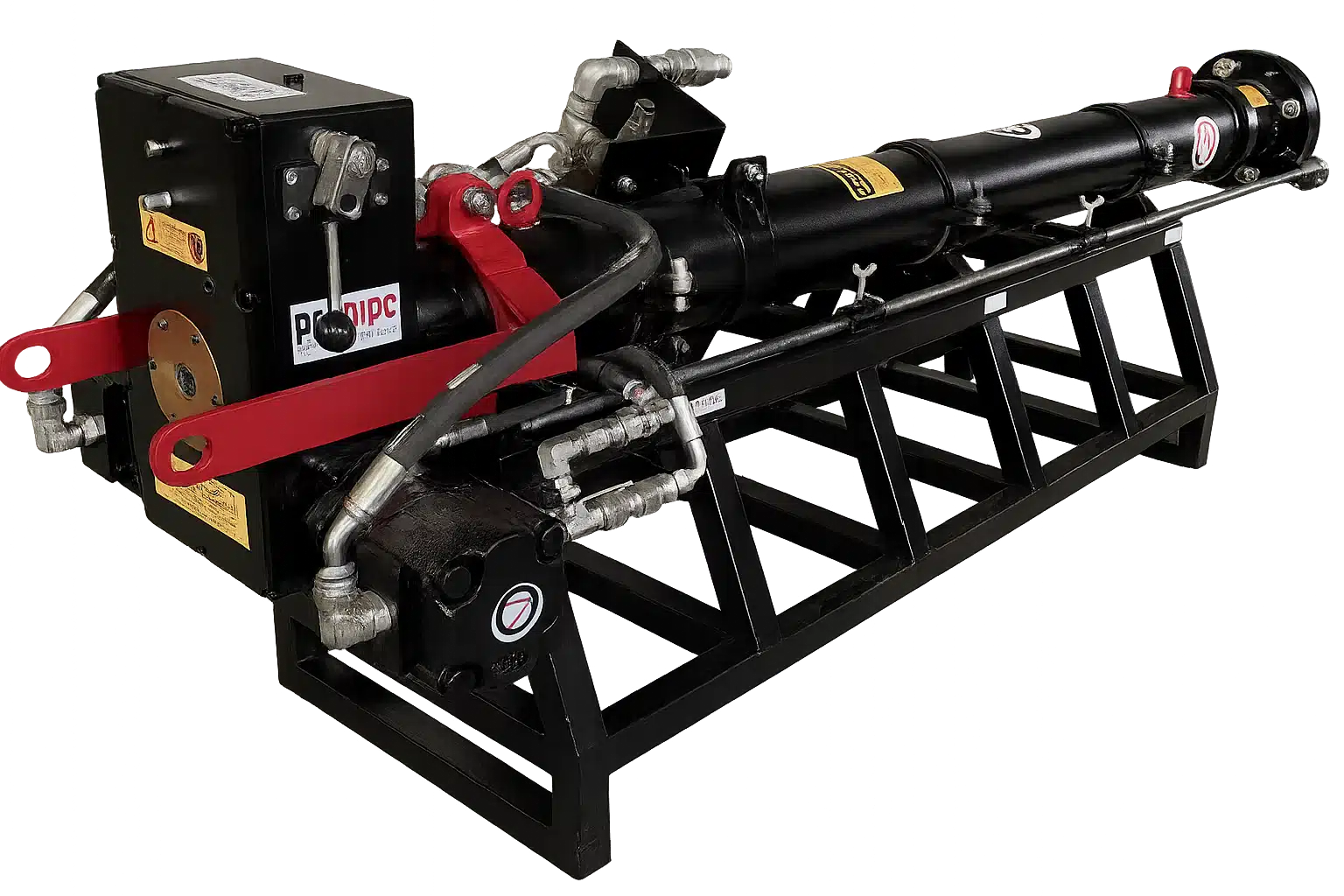
Propipe PTM-1000 to PTM-7000 series hot tap machines for drilling into live pipelines.
Cutters, Pilot Drills and Power Units
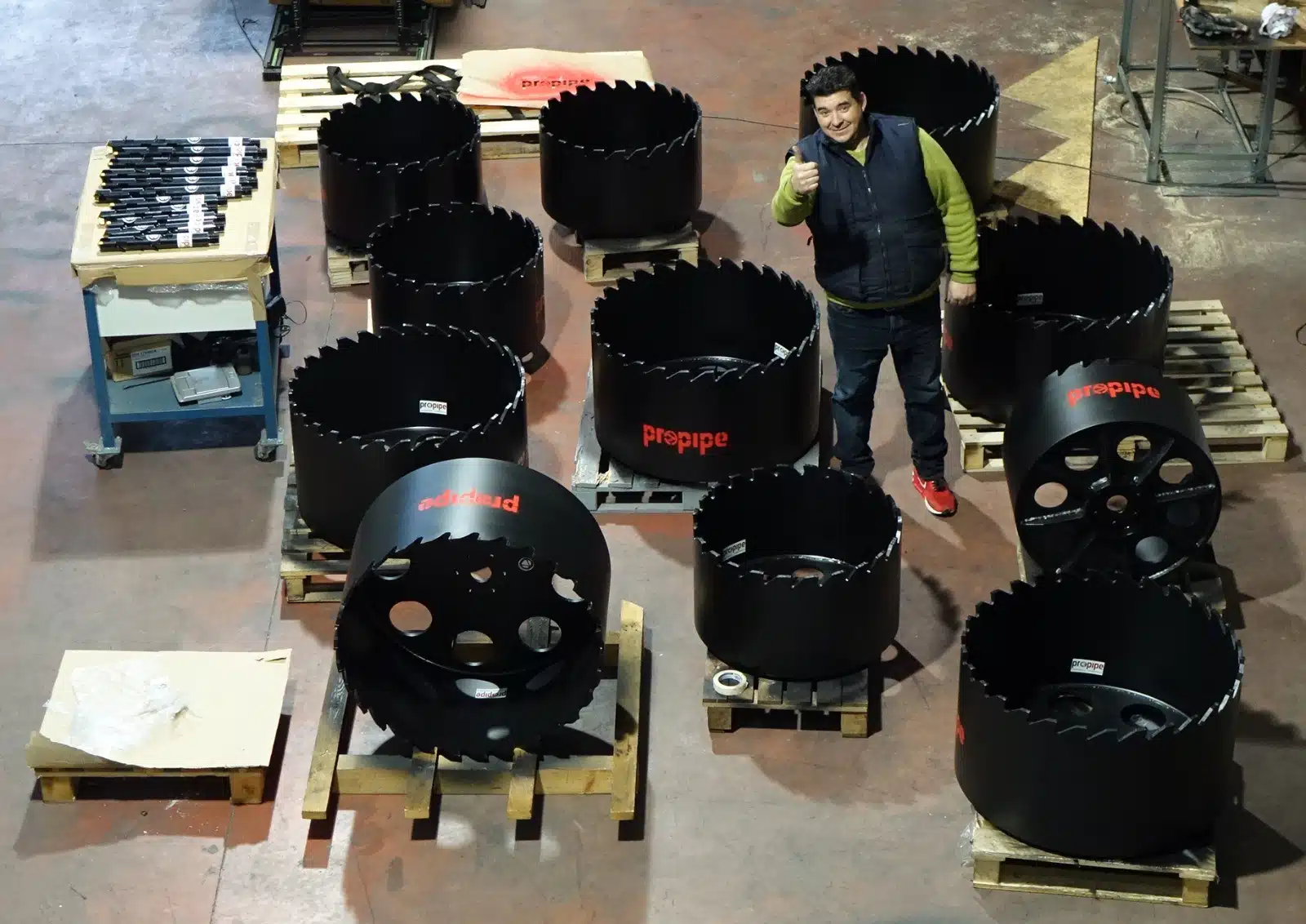
Hot tap cutters, pilot drills, and PPP-3000 and PPP-5000 diesel hydraulic power packs for hot tap and line stop work.
| Cutters | ½″ to 48″ (13 to 1,219 mm) |
|---|---|
| Pilot Drills | 6″ to 36″ (152 to 914 mm) |
Hot Tap Adapters and Line Stop Housings
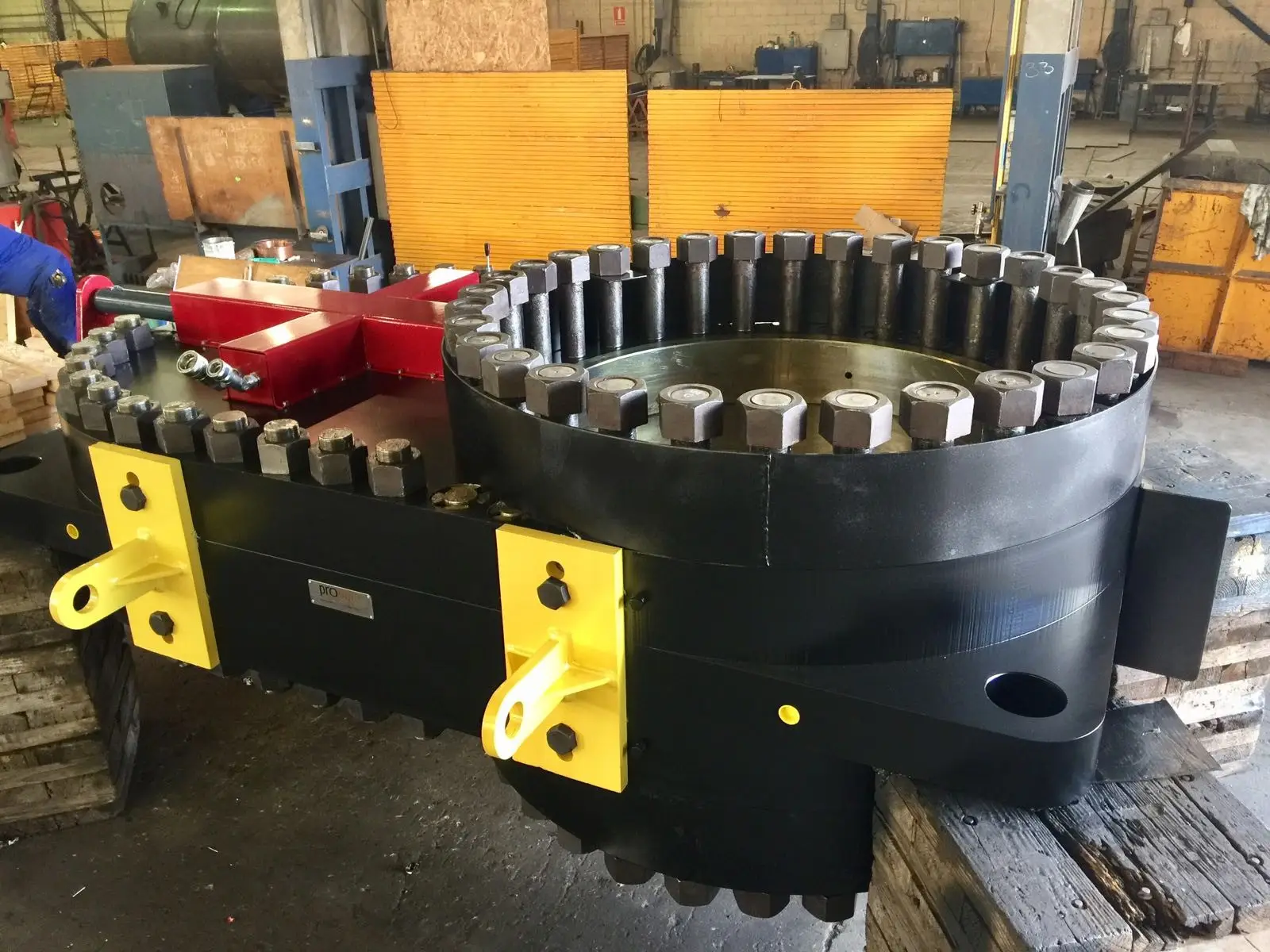
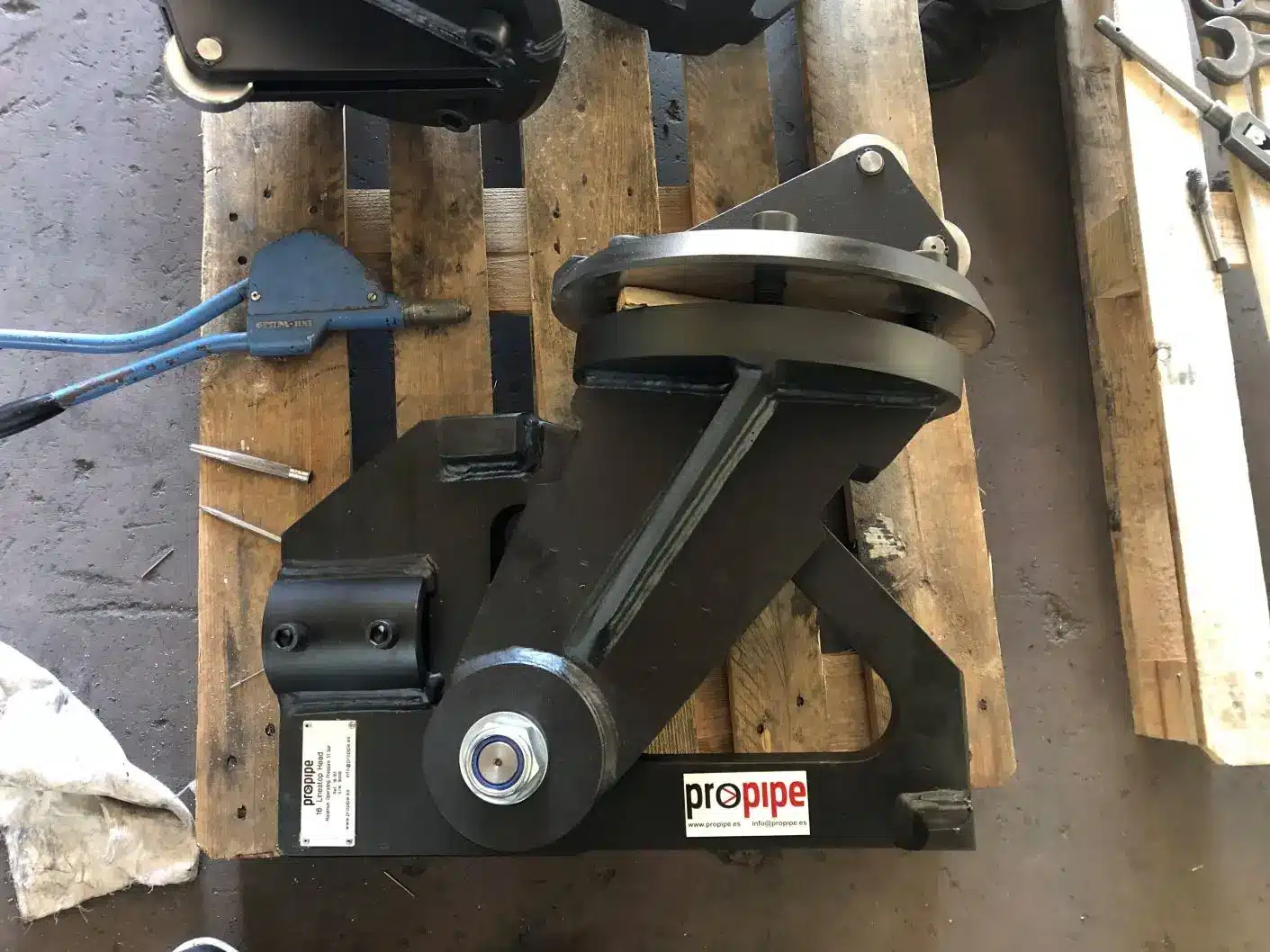
PTM-1000 flanged and threaded adapters, PTM-3000 and PTM-5000 RF adapters, and line stop housings.
| PTM-3000 Housings | 4″ to 20″ (102 to 508 mm) |
|---|---|
| PTM-5000 Housings | 14″ to 36″ (356 to 914 mm) |
Line Stop Actuators
Actuator I to IV HYD and SS MN actuators insert the line stop head into the pipeline.
Line Stop Heads and Sealing Elements
Line stop heads and sealing elements that stop flow inside the pipe.
| Pipe ID | 2″ to 56″ (51 to 1,422 mm) |
|---|---|
| Pressure | Up to 1,480 psi (102 bar) |
Planning and Safety for Pipeline Intervention
- Condition of the line: A hot tap can be made only where the pipe is in good condition. Check the pipe material, wall thickness, internal and external corrosion, and the maximum operating pressure during the tap.
- Emergency isolation: Locate nearby valves that can isolate the line in an emergency.
- Job planning: Start each pipeline intervention with a safety discussion or job safety analysis, assign tasks, and calculate cutter travel so the cutter removes the coupon without cutting into the far side of the pipe.
- Pressure containment: All equipment, including machines, valves, housings and heads, must be rated for the pipeline’s operating conditions.
- Valve selection: Ball or gate valves are suitable for hot taps because the coupon can be removed through them. Plug and butterfly valves are not suitable.
- Weld integrity: Fittings and welds must be inspected and pressure tested before cutting.
- Line stop head seating: The head must be fully seated and sealed to isolate flow.
- Operator training: Crews must be trained in hot tap and line stop procedures, including emergency shutdown protocols and contingency planning.
Frequently Asked Questions
Hot Tapping
What is hot tapping?
Hot tapping is a method of connecting a new branch to a pipeline while it stays in service. A hot tap machine cuts through the pipe wall inside a fitting and valve, so the line does not have to be shut down or purged.
What are other names for hot tapping?
Hot tapping is also called line tapping, pressure tapping, pressure cutting and side cutting.
What valve is used for a hot tap?
A valve that lets the coupon be removed after cutting, such as a ball or gate valve. Plug and butterfly valves are not suitable. Slim (sandwich) valves are also used in hot tap and line stop work.
How is the coupon retained?
The pilot drill centers the cutter and carries U-wires that fold out after the pilot passes through the pipe wall, holding the coupon so it can be removed through the valve.
Can a hot tap be made at an angle?
Yes. Hot taps can be vertical, horizontal or at any angle around the pipe, as long as there is room for the fitting, valve and machine.
Line Stopping
How does a line stop work?
A hot tap machine first cuts an opening through a fitting and valve on the live line. A line stop housing then mounts on the valve, and an actuator drives a line stop head into the pipe to block flow. An optional bypass keeps product moving around the isolated section.
Why use a full-encirclement fitting for a line stop?
A full-encirclement fitting helps re-round thin-walled pipe and carries the horizontal and bending loads the line stop head places on the pipe.
Which stop is set first on a double line stop?
The downstream stop is set first, so the heads close against the flow and are not forced abruptly into position by differential pressure.
What is a completion plug?
A completion plug locks into the line stop fitting flange below the valve. Once it is set, the valve can be removed and a blind flange is installed over the plug.
Planning and Cost
What is pipeline intervention?
Pipeline intervention is work on a live, pressurized pipeline, such as hot tapping, line stopping and bypassing, without shutting the line down. Hot tapping adds a connection to the operating line, and line stopping isolates a section so it can be repaired, modified or rerouted.
Why use hot tapping instead of a shutdown?
A shutdown connection requires isolating and purging a pipeline segment, which causes product loss, methane emissions and possible service interruptions. According to the U.S. EPA, a shutdown connection on a steel line can require one to three or more days of outage.
How do operators assess hot tap economics?
The U.S. EPA lists five steps: determine the condition of the existing line, calculate the cost of a shutdown connection, calculate the cost of the hot tap, evaluate the gas savings, and compare the options.
What equipment does a hot tap and line stop need?
A typical setup includes a fitting, a valve, a hot tap machine with cutter and pilot drill, a line stop housing, an actuator, and a line stop head with sealing element. A bypass is optional. Enerteq Solutions offers Propipe equipment for each stage.

Equipment for Your Next Pipeline Intervention
Enerteq Solutions offers Propipe equipment for each stage of a hot tap or line stop, and custom configurations are available on request. Contact Enerteq with the pipe size, pressure class, product and planned operation.
Sources: U.S. EPA Natural Gas STAR: Using Hot Taps for In-Service Pipeline Connections | ASME B31.8: Gas Transmission and Distribution Piping Systems